
Dr. Raina Rathore
(Gold Medalist)
Most Trusted ENT Specialist Surgeon in Ghaziabad
Meet Dr. Raina Rathore
Dr. Raina Rathore is a highly experienced ENT surgeon with more than a decade of clinical expertise and over 2,000 successful ENT surgeries to her credit. Renowned for her proficiency in advanced ENT procedures, she delivers compassionate, patient-centered care that prioritizes individual needs and outcomes.
A Gold Medalist in her field, Dr. Raina has been affiliated with prestigious institutions, including BJMC Sassoon Hospital in Pune, St. Stephen’s Hospital in Delhi, and Yashoda Superspeciality Hospital in Ghaziabad. Her career is built on pure talent, skill, and dedication, marked by excellence in studies achieved through merit.
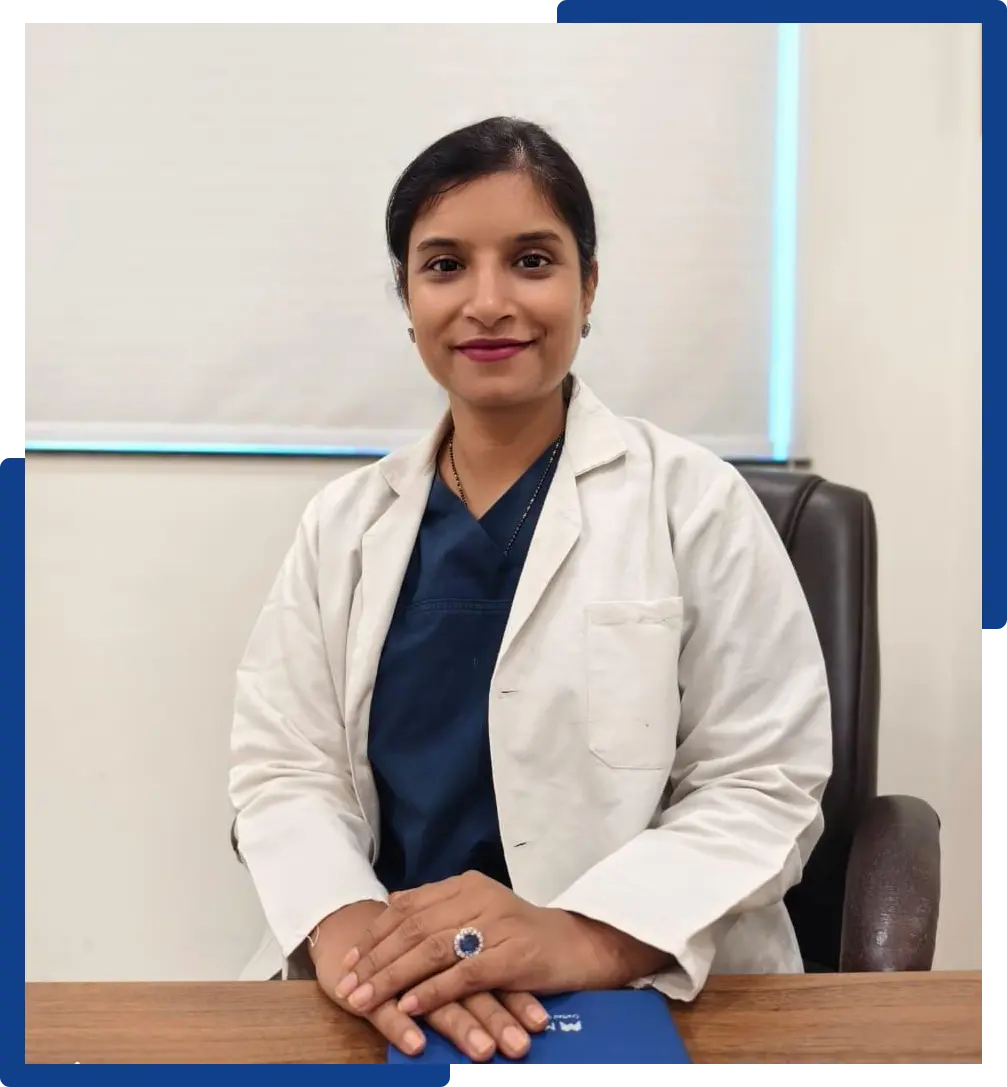
Blessed with exceptional surgical precision, she maintains a high success rate in her procedures, earning the trust and gratitude of her patients.
Conditions We Treat
Comprehensive ENT Care Under One Roof
testimonials

Sunita Singh

Tejaswini

Vikas Bansal

Tej Bahadur Singh

Jyoti Parihar

Kiran Devi
Contact Us
- CH/C3, Block C, Sector 18, Kavi Nagar, Ghaziabad, Uttar Pradesh 201002
- www.DrRainaRathore.com
- DrRainaRathore@gmail.com
- +91- 9310346345
Videos

Bacho ke kharrate, snoring, obstructive sleep apnea, adenoids, tonsils

Naak se khoon ana / nasal bleeding in kids

Ear wax, ear cleaning in children

Dr Raina ENT Specialist, GHAZIABAD


Frequently asked Questions
What does an ENT doctor do?
An ENT doctor, or otolaryngologist, specializes in diagnosing and treating disorders of the ears, nose, throat, and related head/neck structures. Their scope includes medical and surgical care for hearing issues, sinus problems, voice disorders, and more. They often collaborate with audiologists or speech therapists for comprehensive treatment.
What conditions does an ENT doctor treat?
ENT Specialist Doctors treat a wide range of issues, including ear infections, sinusitis, tonsillitis, hearing loss, vertigo, nasal polyps, throat cancer, thyroid disorders, and facial trauma. Their work covers preventive care, diagnostics, and surgeries like tympanoplasty or septoplasty.
Do ENT doctors perform surgery?
ENT Specialist Doctors are trained surgeons. They perform procedures such as ear tube insertion, sinus surgery, tonsillectomy, and head/neck cancer removals, often using minimally invasive techniques.
What is the scope of ENT in pediatric care?
Pediatric ENT focuses on children’s unique needs, like recurrent ear infections, enlarged tonsils causing sleep apnea, cleft palate repairs, and speech delays. ENTs work with pediatricians for early interventions.
What non-surgical treatments do ENTs offer?
ENTs provide medications (antibiotics, steroids), allergy shots, hearing aids, speech therapy, and lifestyle advice for conditions like allergies or tinnitus.
What surgical procedures are common in ENT?
Common surgeries include ear tube insertion, septoplasty, tonsillectomy, sinus surgery, and thyroidectomy. ENTs use advanced techniques like endoscopy for minimally invasive options.
How do ENTs handle pediatric ENT issues?
For kids, ENTs address ear infections, adenoid issues, or tongue-tie with gentle procedures like frenectomy, often under anesthesia.
When should I see an ENT doctor?
See an ENT for persistent ear pain, hearing loss, nasal congestion, sore throat, voice changes, or head/neck lumps. Early consultation prevents complications.
What are the symptoms of an ear infection?
Ear infections (otitis media or externa) often cause ear pain, fever, hearing loss, discharge, or dizziness. In children, it may lead to irritability or balance issues. Seek ENT care if symptoms persist.
What causes tinnitus, and how is it treated?
Tinnitus (ringing in the ears) can result from noise exposure, age-related hearing loss, earwax buildup, or conditions like Meniere’s disease. Treatments include sound therapy, medications, or counseling; ENTs may recommend hearing aids for underlying hearing loss.
How is hearing loss diagnosed and treated by an ENT Specialist Doctor?
ENT Specialist Doctors use audiometry tests to diagnose sensorineural or conductive hearing loss. Treatments range from hearing aids and cochlear implants to surgeries like stapedectomy for otosclerosis.
What is vertigo, and when should I see an ENT?
Vertigo is a spinning sensation often linked to inner ear issues like benign paroxysmal positional vertigo (BPPV) or vestibular neuritis. ENT Specialist Doctors perform balance tests and offer vestibular rehabilitation or canalith repositioning maneuvers.
Can an ENT Specialist Doctor treat perforated eardrums?
Yes, a perforated eardrum from infection or trauma can cause pain and hearing issues. ENT Specialist Doctors may repair it surgically (tympanoplasty) or monitor for natural healing, advising ear protection to prevent complications.
What are the signs of sinusitis, and how is it treated?
Sinusitis causes facial pain, nasal congestion, headaches, and thick discharge. Acute cases may resolve with antibiotics or decongestants; chronic sinusitis might require endoscopic sinus surgery (ESS) by an ENT Specialist Doctor.
What is a deviated septum, and does it need surgery?
A deviated septum is a crooked nasal wall causing breathing difficulties, snoring, or recurrent infections. ENTs may recommend septoplasty surgery if symptoms are severe.
How do nasal polyps affect breathing, and what's the treatment?
Nasal polyps are growths in the nasal passages, often from allergies, leading to congestion and loss of smell. ENTs treat them with steroids or surgical removal (polypectomy) via endoscopy.
What causes allergic rhinitis, and how can an ENT help?
Allergic rhinitis (hay fever) triggers sneezing, itchy eyes, and congestion from allergens like pollen. ENTs offer allergy testing, antihistamines, nasal sprays, or immunotherapy shots.
Is balloon sinuplasty a common ENT procedure?
Yes, balloon sinuplasty is a minimally invasive procedure to open blocked sinuses, reducing the need for traditional surgery. It’s often used for chronic sinusitis and performed by ENTs.
What are the symptoms of tonsillitis, and when is tonsillectomy needed?
Tonsillitis causes sore throat, fever, and swollen glands. Recurrent cases may require tonsillectomy surgery by an ENT, especially if causing sleep apnea or infections.
How is laryngitis treated by an ENT doctor?
Laryngitis (voice loss) from overuse, infection, or acid reflux is treated with rest, hydration, and medications. ENTs may perform laryngoscopy to check for vocal cord issues.
What causes dysphagia (swallowing difficulties), and how is it managed?
Dysphagia can result from esophageal narrowing, neurological issues, or throat obstructions. ENTs diagnose via swallow studies and treat with dilation procedures or surgery.
Can an ENT treat vocal cord nodules?
Yes, vocal cord nodules from strain (e.g., singing or shouting) cause hoarseness. ENTs offer voice therapy or surgical removal (microlaryngoscopy) if conservative treatments fail.
What is sleep apnea, and how does an ENT address it?
Sleep apnea involves throat tissue blocking airways, leading to snoring and fatigue. ENTs may recommend CPAP, oral appliances, or surgeries like uvulopalatopharyngoplasty (UPPP).
What thyroid issues does an ENT handle?
ENTs treat thyroid nodules, goiter, and cancer through thyroidectomy surgery, often collaborating with endocrinologists for hormone management.
How are salivary gland problems diagnosed?
Salivary gland issues like stones (sialolithiasis) or tumors cause swelling or pain. ENTs use imaging and perform parotidectomy if surgery is needed.
What is head and neck cancer, and how is it treated?
Head and neck cancers (e.g., in the larynx or oral cavity) are often linked to smoking. ENTs provide surgery, radiation, or chemotherapy, with multidisciplinary care.
Can an ENT fix facial fractures?
Yes, ENTs repair nasal or jaw fractures from trauma using wiring or plating, often in coordination with maxillofacial surgeons.
What is Bell's palsy, and how is it managed?
Bell’s palsy causes facial paralysis from nerve inflammation. ENTs may prescribe steroids or eye protection; most cases resolve spontaneously.
Do you offer ENT telemedicine services?
Yes, We provide virtual consultations for initial assessments, follow-ups, or remote advice, especially for minor issues or during travel.
How do I book an appointment?
Call our clinic or use our online booking form. We accept walk-ins for urgent cases and offer telemedicine options.
Does your ENT clinic accept insurance?
Yes, we accept major Indian insurance plans. Contact us for verification; self-pay options are available.
Are ENT services covered under government schemes in India?
Many services qualify under Ayushman Bharat or state schemes; check eligibility with our staff.
What are the signs of sinusitis, and how is it treated?
Sinusitis causes facial pain, nasal congestion, headaches, and thick discharge. Acute cases may resolve with antibiotics or decongestants; chronic sinusitis might require endoscopic sinus surgery (ESS) by an ENT Specialist Doctor.
Can an ENT doctor help with allergies?
ENT Specialist Doctors diagnose and treat allergic rhinitis (hay fever), including nasal allergies causing congestion or sinus issues. They may recommend allergy testing, medications, or immunotherapy.