Sleep, Snoring & Sleep Apnea: How ENT Treatment Can Help You Sleep Better

INTRODUCTION

Snoring, disturbed sleep, and daytime fatigue can be early signs of sleep apnea — a serious condition where breathing stops repeatedly during sleep. ENT doctors play a key role in diagnosing and treating airway-related sleep problems.

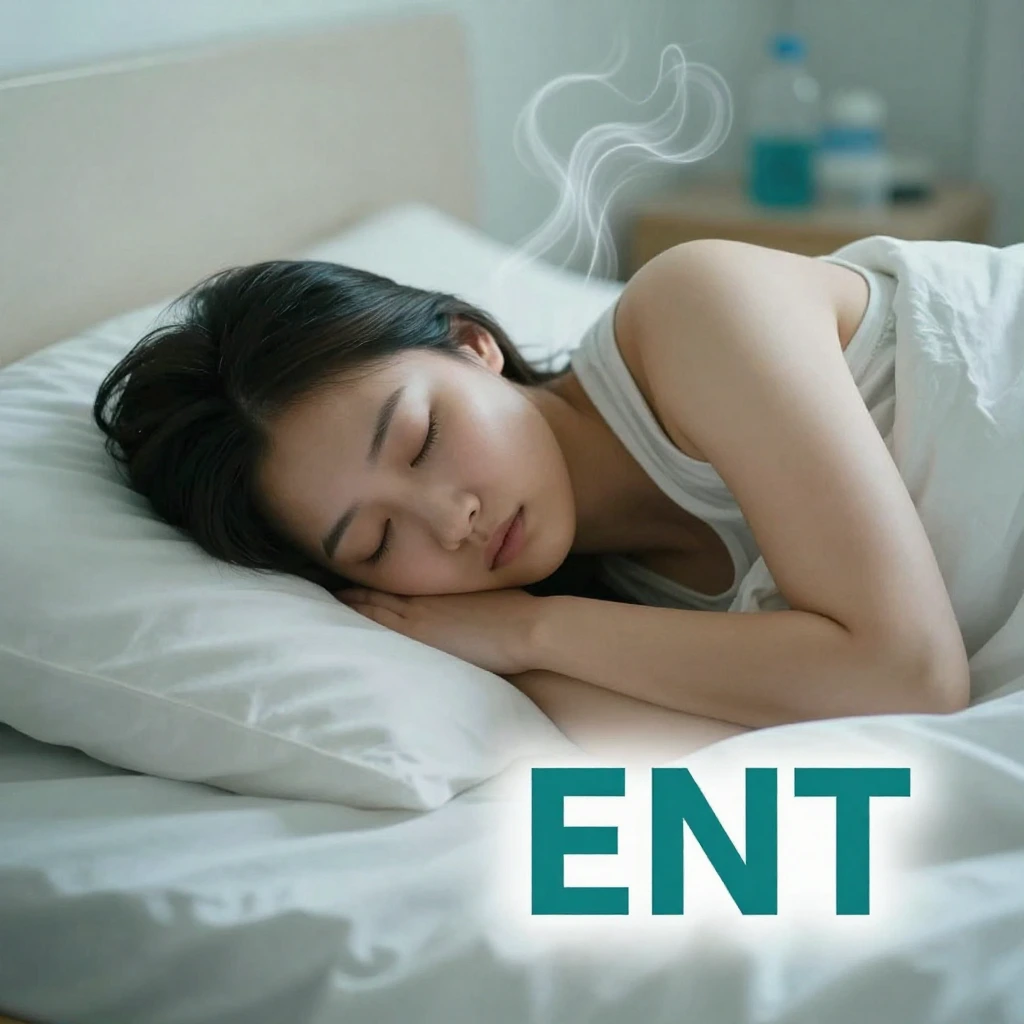
sleep apnea and snoring problem during sleep

1. What Causes Snoring?

  • Blocked nasal passages
  • Deviated septum
  • Enlarged tonsils
  • Obesity
  • Weak throat muscles

2. What Is Sleep Apnea?

A condition where breathing stops for 10+ seconds repeatedly during sleep.

Symptoms

  • Loud snoring
  • Choking during sleep
  • Daytime sleepiness
  • Morning headaches
  • Irritability

3. ENT Evaluation for Sleep Disorders

ENT specialists examine:

  • Nasal passages
  • Tonsils & adenoids
  • Airway structure
  • Throat tissues

Tests like sleep study (polysomnography) may also be recommended.

4. Treatment Options

a) Non-Surgical

  • CPAP machine
  • Lifestyle changes
  • Weight loss
  • Nasal sprays

b) Surgical

  • Uvulopalatopharyngoplasty (UPPP)
  • Adenoidectomy
  • Septoplasty
  • Tonsillectomy

5. When Should You See an ENT?

If you or your partner :

  • Snore loudly
  • Feel tired during the day
  • Wake up gasping for air
  • Have chronic nasal blockage

Conclusion

Sleep apnea is treatable. With an experienced ENT specialist, you can breathe better, sleep better and improve your overall health.